
Had better is a modal-like expression used in English to give strong advice, recommendations, or warnings. Although it contains the word “had”, it does not refer to the past. Grammatically, had better functions like a modal verb and is always followed by the base form of the verb. It is similar in meaning to should or ought to, but it carries more urgency or a stronger sense of consequence.
In this guide, you’ll learn how to use had better correctly in English with clear grammar rules, structures, and examples.
What Does “Had Better” Mean?
Had better is used to give strong advice or recommendations, often implying that something negative could happen if the advice is not followed. While it functions like should, it is stronger, more urgent, and often carries an unspoken warning or threat. It suggests that the action is the most sensible or necessary choice in the situation.
Examples:
- You had better take your umbrella. It’s going to rain.
- He had better not forget the meeting—his job depends on it.
- We had better leave now if we want to catch the train.
Structure and Contractions of “Had Better”
The structure of “had better” is the same for all subjects and is always followed by the base form of the verb. In spoken and informal written English, “had” is almost always contracted to ’d. This pattern stays consistent in both affirmative and negative forms.
| Subject | Contracted Form | Example Sentences |
|---|---|---|
| I | I’d better | I had better go now. |
| You | You’d better | You had better see a doctor. |
| He | He’d better | He had better explain everything. |
| She | She’d better | She had better tell the truth. |
| It | It’d better | It had better work this time. |
| We | We’d better | We had better call first. |
| They | They’d better | They had better prepare for the exam. |
Affirmative Form
When giving strong advice or recommendations, use the basic structure:
Subject + had better + base verb
Examples:
- You’d better wear a coat. It’s cold outside.
- She had better tell the truth.
- We’d better get there early to find parking.
Negative Form
To give a negative recommendation or warning, insert not after “had better.”
Structure: Subject + had better not + base verb
Examples:
- You’d better not forget your keys again.
- He had better not speak to her like that.
- They’d better not stay up too late.
Question Form
To form a question with “had better,” invert the subject and “had.” While grammatically correct, this form is uncommon in modern spoken English and sounds rather formal or old-fashioned. In conversation, speakers usually prefer alternatives.
Structure: Had + subject + better + base verb?
Examples:
- Had I better talk to her before the meeting?
- Had we better book a table in advance?
- Had he better see a doctor?
In everyday English, especially spoken, people usually say:
- Do you think I’d better talk to her?
- Should we book a table in advance?
“Had Better” Refers to Present or Future
Although “had” is a past tense verb in other contexts, the expression “had better” does not refer to the past. It is a fixed phrase used to talk about the present or future, usually to give strong advice or warnings. This can be confusing because “had” normally signals the past, but in this case, it has no connection to past perfect forms like “I had gone.”
Examples:
- You’d better finish your homework before class. (future)
- I’d better answer the phone. (present)
Had Better vs. Should vs. Ought To
The expressions had better, should, and ought to are all used to give advice or recommendations, but they differ in strength, tone, and how urgent or serious the advice feels.
| Expression | Function | Example |
|---|---|---|
| Should | General advice, suggestion, or opinion | You should call her. |
| Ought to | Formal or polite recommendation | You ought to be more polite. |
| Had better | Strong advice or warning, often urgent | You’d better not be late again. |
Formal vs. Informal Usage
In spoken English, had better is common and often contracted:
- I’d better go. (Informal)
- We’d better call him now.
In written or formal English, it may appear in full or be replaced by “should”:
- The tenant had better pay the rent on time.
- Candidates should submit their applications early.
Note: Had better can sound strong or even threatening, so use it carefully in formal writing or polite situations.
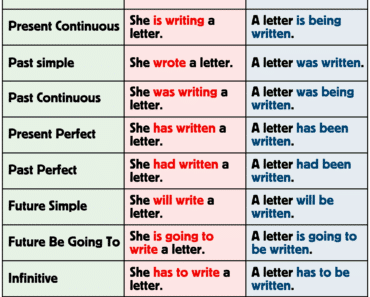
Using “Had Better” in the Passive Voice
The phrase “had better” can also be used in the passive voice, especially when the focus is on the action itself or when the person doing the action is unknown or unimportant. This form is common in formal instructions or advice.
Structure: Subject + had better + be + past participle
Examples:
- The package had better be delivered today.
- The documents had better be signed before the meeting.
FAQs about Had Better
1. Is “had better” past tense?
No, “had better” is not used to talk about the past, even though it includes the word “had.” It’s a fixed modal-like expression used for giving strong advice or warnings about the present or near future. For example: “You had better leave now.”
2. What is the difference between “should” and “had better”?
“Should” gives general advice and sounds softer. “Had better” is stronger and often implies a consequence if the advice is not followed. For example, “You should leave” is a suggestion, while “You had better leave” sounds like a warning.
3. Can I say “had better to”?
No, you should never say “had better to.” The correct structure is always “had better” followed directly by the base form of the verb without “to.” For example, “You had better go now.”
4. Is “had better” formal or informal?
It’s neutral and common in both spoken and written English. However, in very formal situations, people may prefer “should” or “ought to” instead.
5. Can we use contractions with “had better”?
Yes. “Had” is usually contracted to “’d” in speech and writing. For example, “I’d better go” or “You’d better be careful.”
6. Can “had better” be used in the negative form?
Yes, to give negative advice or warnings, “not” is placed directly after “had better.” The structure is “had better not” followed by the base verb. For example, “You had better not lie to me.”
7. Is “had better” common in questions?
Yes, but it’s more formal. “Hadn’t we better leave?” is grammatically correct, though in everyday speech, many prefer “Shouldn’t we leave?”
8. Can we use “had better” with the passive voice?
Yes, “had better” can be used in passive constructions. The structure is “had better be” followed by the past participle of the main verb. For example, “The files had better be emailed before noon.”